Cedar Fair’s history could have unfolded very differently. A pivotal decision from more than a decade ago nearly reshaped the company’s future — and the theme park landscape with it.
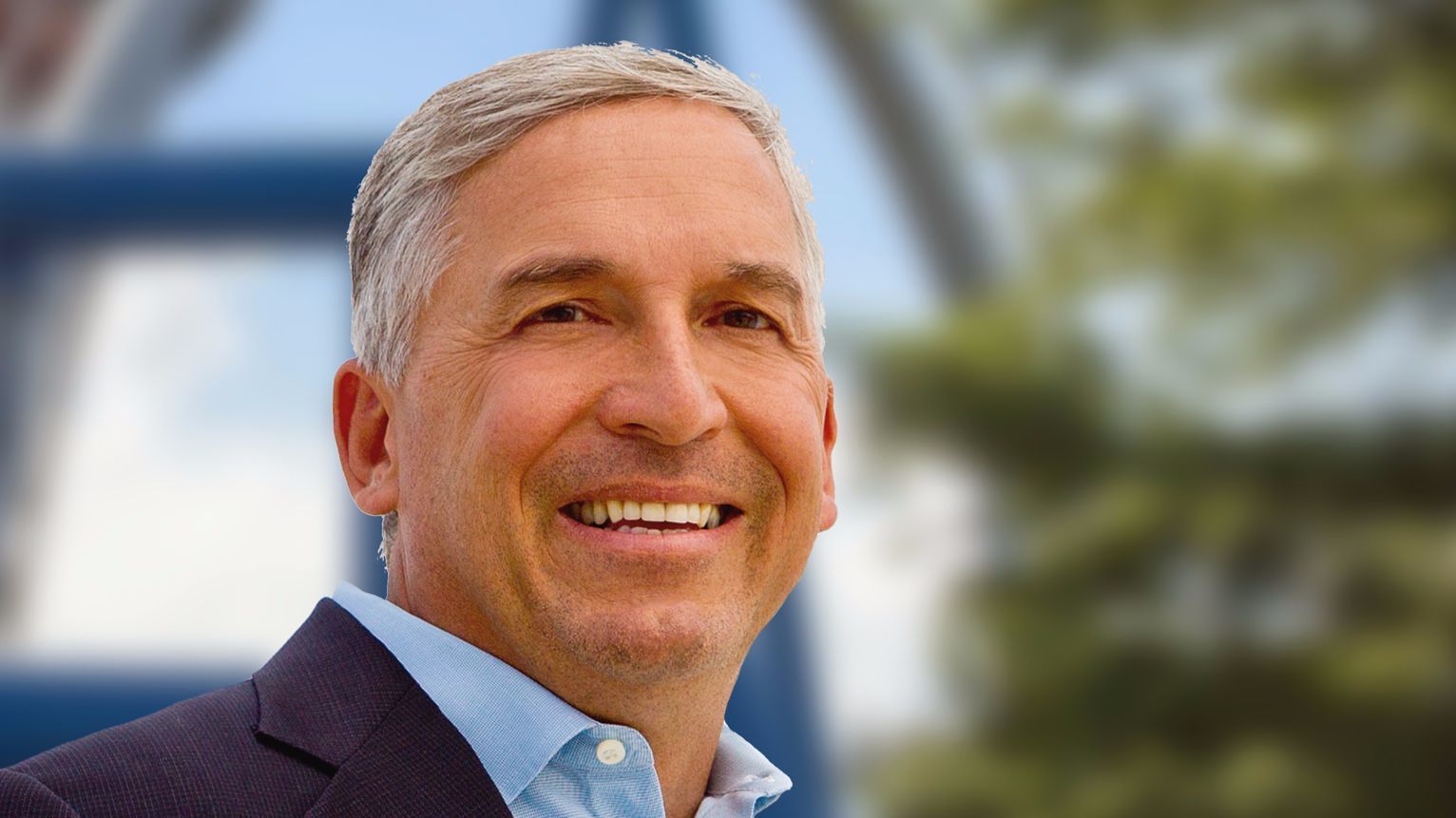
In a recent post on LinkedIn, former Cedar Fair CEO Matt Ouimet shared a behind-the-scenes story that caught the attention of theme park fans and business watchers alike: years ago, Cedar Fair once considered merging with SeaWorld.
Ouimet opened the post with the line, “A whale of a tale.” And that’s exactly what it is — a fascinating look at a deal that almost reshaped the amusement industry.
According to Ouimet, he and Cedar Fair’s chief financial officer met with SeaWorld’s leadership roughly ten years ago to discuss the idea of combining the two companies. At the time, the potential pairing made sense on paper. Cedar Fair had weathered the 2008 recession and was back on solid ground, while SeaWorld’s collection of marine parks — in Orlando, San Diego, and San Antonio — offered year-round operations and strong name recognition.

But the timing couldn’t have been worse.
SeaWorld’s team told Ouimet they were facing some undisclosed “headwinds.” Shortly afterward, the Blackfish documentary was released, sparking a major public backlash and changing the company’s trajectory for years to come.
Ouimet ultimately decided not to move forward with the merger. In his post, he said his hesitation came down to three concerns. First, Cedar Fair was still rebuilding its reputation and financial strength. Tying the company to SeaWorld’s growing public relations crisis, he feared, could undo that progress.
Second, the killer whale shows that once drew crowds were now under increasing scrutiny — leaving their long-term appeal uncertain.
And third, Ouimet questioned SeaWorld’s presence in Orlando, describing it as “a parasitic relationship” with nearby Disney and Universal parks — meaning visitors’ time and money were often spent before they ever reached SeaWorld’s gates.
Over the years that followed, SeaWorld’s major investors approached Cedar Fair several more times to discuss a possible deal. But Ouimet said the proposals never made economic sense — and the two companies’ cultures didn’t seem aligned enough to make it work.
Still, the former CEO admitted that, with hindsight, he has some regrets. “Looking back, I do regret that I didn’t have the courage to take the leap before private equity took over the company,” Ouimet wrote. “It would have rounded out Cedar Fair’s portfolio, gaining several quality parks with some of the largest ones operating year-round. And it would have eliminated the appeal of merging with Six Flags.”
That last point struck a chord for many longtime Cedar Fair followers. The company, which owned Cedar Point, Kings Island, and other major regional parks, had been the subject of on-and-off merger discussions with Six Flags for years. The idea of a Cedar Fair–SeaWorld partnership — rather than one with Six Flags — paints a fascinating alternate picture of what the company could have become.

A Cedar Fair portfolio that included SeaWorld’s destination parks might have given the company a year-round national presence — from thrill rides at Cedar Point, Carowinds and Knott’s Berry Farm to marine life exhibits and roller coasters in Orlando and San Diego.

Of course, it’s equally possible that such a merger could have jeopardized Cedar Fair’s reputation and stability, especially during the height of SeaWorld’s controversy.
Ouimet’s reflection is less about missed opportunity and more about leadership — about the delicate balance between taking risks and protecting what you’ve built.
And for fans of the legacy Cedar Fair parks, it’s one more “what if” to add to the amusement industry’s long list of near-misses and alternate timelines.
After all, as Ouimet put it: “What could have and maybe what should have.”
Find and follow me on Facebook, X, Instagram, and YouTube for more coverage of theme parks, travel, and roadside attractions. Subscribe to Theme Parks By Don – It’s free!
Leave a Reply