Six Flags Entertainment Corporation has taken another major step in reshaping its business strategy.
The company announced it has entered into definitive agreements to sell seven parks to EPR Properties for $331 million in cash, a move that reflects a broader effort to streamline operations, strengthen its balance sheet, and focus resources on its highest-performing destinations.
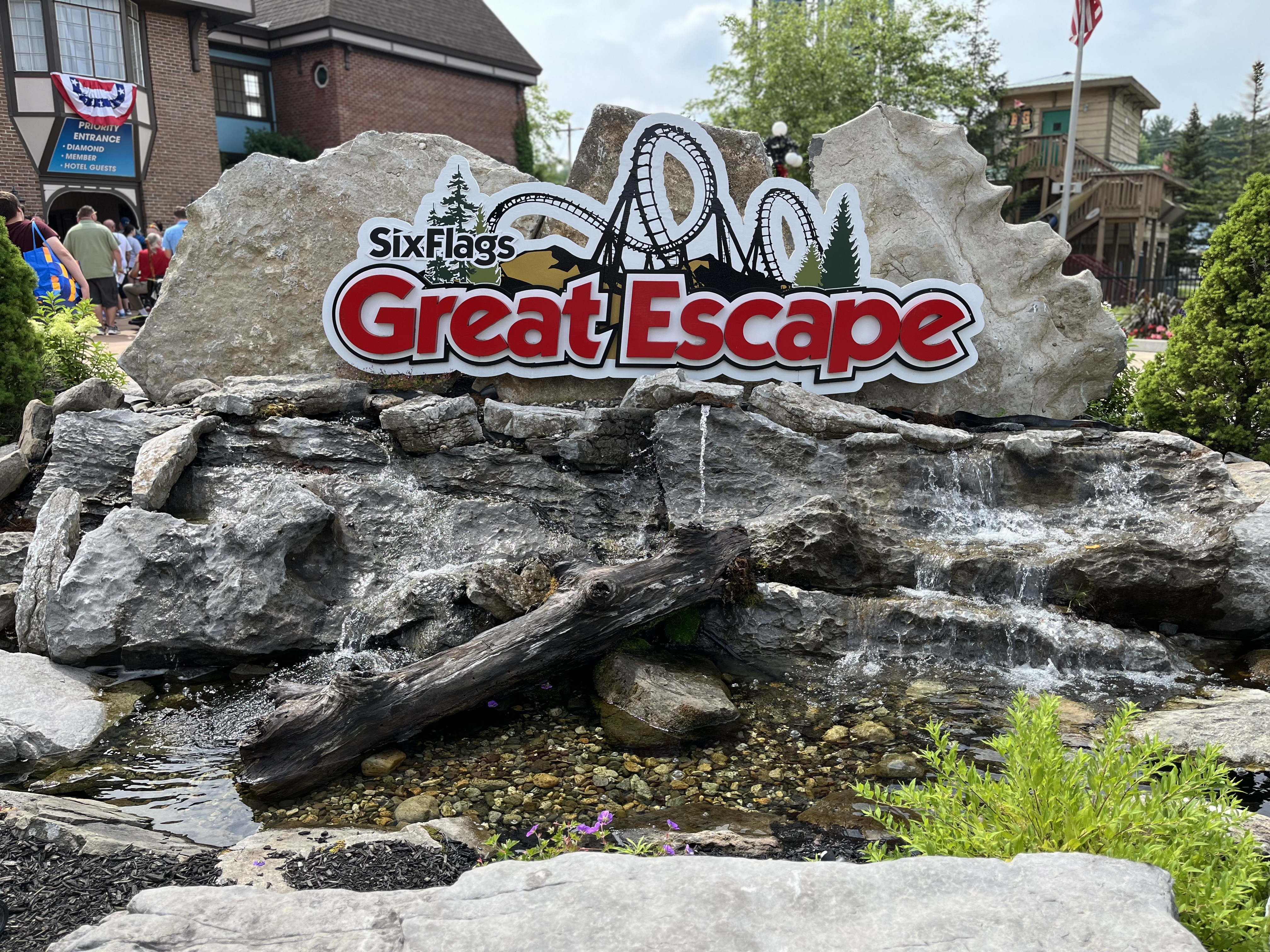
The parks included in the transaction are Valleyfair, Worlds of Fun, Michigan’s Adventure, Schlitterbahn Galveston, Six Flags St. Louis, Six Flags Great Escape, and Six Flags La Ronde. Together, the properties welcomed about 4.5 million guests in 2025, generating roughly $260 million in revenue and $45 million in Adjusted EBITDA.
While the announcement may initially surprise some theme park fans, the move reflects a growing trend in the regional amusement park industry: strategic portfolio refinement rather than simple expansion.
A Strategic Reset for the New Six Flags
Since taking over as CEO, John Reilly has been clear about one thing: he believes the company’s earnings potential hasn’t been fully realized.
Selling a group of mid-tier parks allows the company to simplify its portfolio and redirect capital toward parks with greater long-term upside.
That likely means more investment in major destination properties and regional leaders—parks capable of drawing larger attendance, commanding stronger in-park spending, and supporting significant new attractions.
In other words, the strategy appears less about shrinking the business and more about focusing where growth is most achievable.
What Happens to the Parks Being Sold?
The parks themselves are not disappearing.
EPR Properties plans to partner with Enchanted Parks to operate the six U.S. parks, while La Ronde Operations, Inc., led by industry veteran Kieran Burke, will run the Montreal park.
Guests visiting these parks in 2026 likely won’t notice much change in the short term.
Season passes will still be honored through the 2026 season, and EPR will retain the right to use the Six Flags brand through the end of 2026 while the transition unfolds.
Operational continuity is key in deals like this, and the goal is to maintain the guest experience while new operators evaluate long-term strategies.
Why Portfolio Optimization Is Becoming Common
Theme parks are capital-intensive businesses.
Major roller coasters can cost $20 million to $40 million, and even mid-sized attractions require significant investment in infrastructure, staffing, and maintenance.
For a company operating dozens of parks, the challenge becomes deciding where those dollars generate the strongest return.
The parks included in this sale tend to fall into a middle tier of attendance and revenue within the Six Flags portfolio. By divesting them, the company gains liquidity while reducing the operational complexity that comes with managing a large and geographically diverse portfolio.
For the industry, it’s another sign that scale alone is no longer the primary growth strategy.
Efficiency, margins, and targeted capital investment are becoming the new focus.
What Six Flags Selling Parks Could Mean for Guests
For most guests, the impact will be minimal—at least initially.
The parks involved will continue operating, and the rides, shows, and attractions that families have enjoyed for years likely aren’t going anywhere.
But over time, new ownership can bring a different approach to investment and operations.
In some cases, smaller operators have proven capable of revitalizing regional parks by emphasizing local identity, guest experience, and targeted capital improvements rather than chasing headline-grabbing mega attractions.
That could ultimately benefit the communities these parks serve.
The Bigger Industry Picture
The sale also highlights how the regional theme park industry is evolving.
Companies like Six Flags Corporation are increasingly behaving like modern hospitality and entertainment brands—analyzing return on investment park by park and adjusting portfolios accordingly.
Instead of trying to grow everywhere at once, operators are focusing on building stronger flagship destinations and more profitable regional hubs.
For fans, that shift could ultimately lead to better experiences at the parks that remain core to the company’s long-term vision.
And for the parks being sold, new operators often bring fresh ideas and renewed attention—something that can be just as valuable as corporate scale.
Find and follow me on Facebook, X, Instagram, and YouTube for more coverage of theme parks, travel, and roadside attractions. Subscribe to Theme Parks By Don – It’s free!


Leave a Reply