Buying a season pass to an amusement or theme park has traditionally been a relatively simple transaction: Pick the pass that offers the benefits you want, pay the advertised price and use it according to the terms.
But new language appearing in Six Flags season pass information suggests the company is taking a much closer look at how passholders actually use what they purchase—and that activity could influence what guests are offered or charged in the future.
Six Flags says it may review pass and membership usage, including a guest’s visit history, benefit usage and other account activity, when determining Home Park requirements, renewal eligibility, renewal offers, pricing and benefits.
Perhaps most notably, the company says it may change a passholder’s designated Home Park if their usage suggests another Six Flags property should more appropriately be considered their primary park.
For guests who regularly visit multiple Six Flags properties, that seemingly routine policy language could have significant implications.
Why your Six Flags Home Park could matter
The expanded Six Flags portfolio includes parks across North America, and season pass pricing isn’t necessarily identical from one property to another.
That has created opportunities for savvy passholders to compare prices and, in some cases, purchase products through a less expensive park while primarily using their all-park benefits somewhere else.
The new language gives Six Flags greater control over that practice.
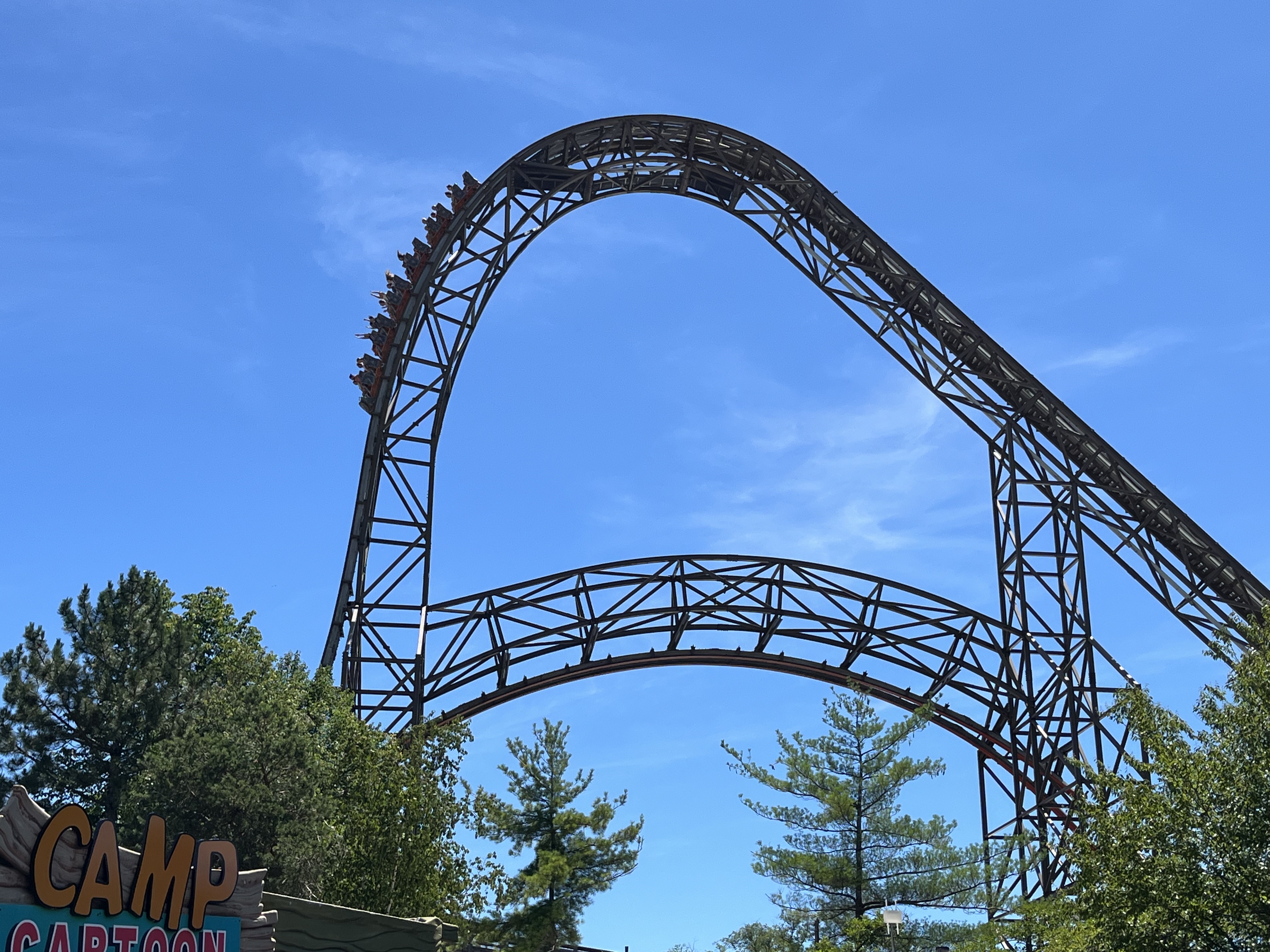
For example, someone could purchase a pass associated with one Six Flags property but spend most of the season visiting Cedar Point. Under the language provided to passholders, Six Flags could determine that Cedar Point is more appropriately considered that customer’s Home Park for future renewals, offers, pricing, benefits or other account purposes.
That doesn’t mean every passholder who frequently visits another park will suddenly see their Home Park changed or their price increase. Six Flags specifically says it “may” make such a determination, giving the company discretion over how and when the policy is applied.
But it does mean guests shopping for the least expensive way into the company’s all-park system should pay attention.
Six Flags has already tightened another pricing loophole
The language is particularly noteworthy following changes to Six Flags’ season-long Fast Lane program for 2027.
An all-park season Fast Lane product that includes Cedar Point is priced at $1,999, significantly increasing the cost for guests who want unlimited Fast Lane access throughout the season.
Six Flags also appears to have eliminated a strategy that allowed guests to purchase less expensive all-park Fast Lane products through other properties and then use them at Cedar Point.
The Home Park language raises the possibility that similar price-shopping strategies involving season passes and memberships could become more difficult going forward.
Rather than simply considering where a product was purchased, Six Flags now explicitly says it can consider where a customer actually visits and how benefits are used.
Is Six Flags protecting its pricing structure?
From a business perspective, the reasoning isn’t difficult to understand.
If Six Flags establishes different prices for different parks, the company has an incentive to prevent customers who primarily visit a higher-priced property from circumventing that pricing by purchasing through a less expensive one.
For Six Flags, assigning guests to the park they actually use most frequently could help preserve those individual park pricing structures.
But there’s another side to the equation for travelers.
Season passes are designed to encourage loyalty. Guests provide the company with money upfront and, in return, generally expect flexibility and value throughout the season.
Using a pass frequently has traditionally been one of the rewards of being a loyal customer. Under the new language, however, that same usage can now be considered when Six Flags determines future pricing, renewal offers and benefits.
That’s an important distinction.
Six Flags knowing when a passholder enters a park isn’t new. Theme parks have long been able to track pass scans and benefit redemptions.
What’s noteworthy is Six Flags explicitly telling customers that visit history, benefit usage and other account activity may factor into decisions involving their Home Park, future renewals, offers, pricing and benefits.
For passholders who primarily visit the park associated with their pass, the policy may ultimately make little difference.
For those who shop across the Six Flags portfolio for the best pass price and then spend most of their time at another property, it could matter considerably more.
The takeaway for Six Flags passholders is simple: Where you buy your pass may no longer be the only thing that matters. Where you actually use it could help determine what Six Flags offers—and potentially what you pay—the next time you renew.
Find and follow me on Facebook, X, Instagram, and YouTube for more coverage of theme parks, travel, and roadside attractions. Subscribe to Theme Parks By Don – It’s free!
Leave a Reply