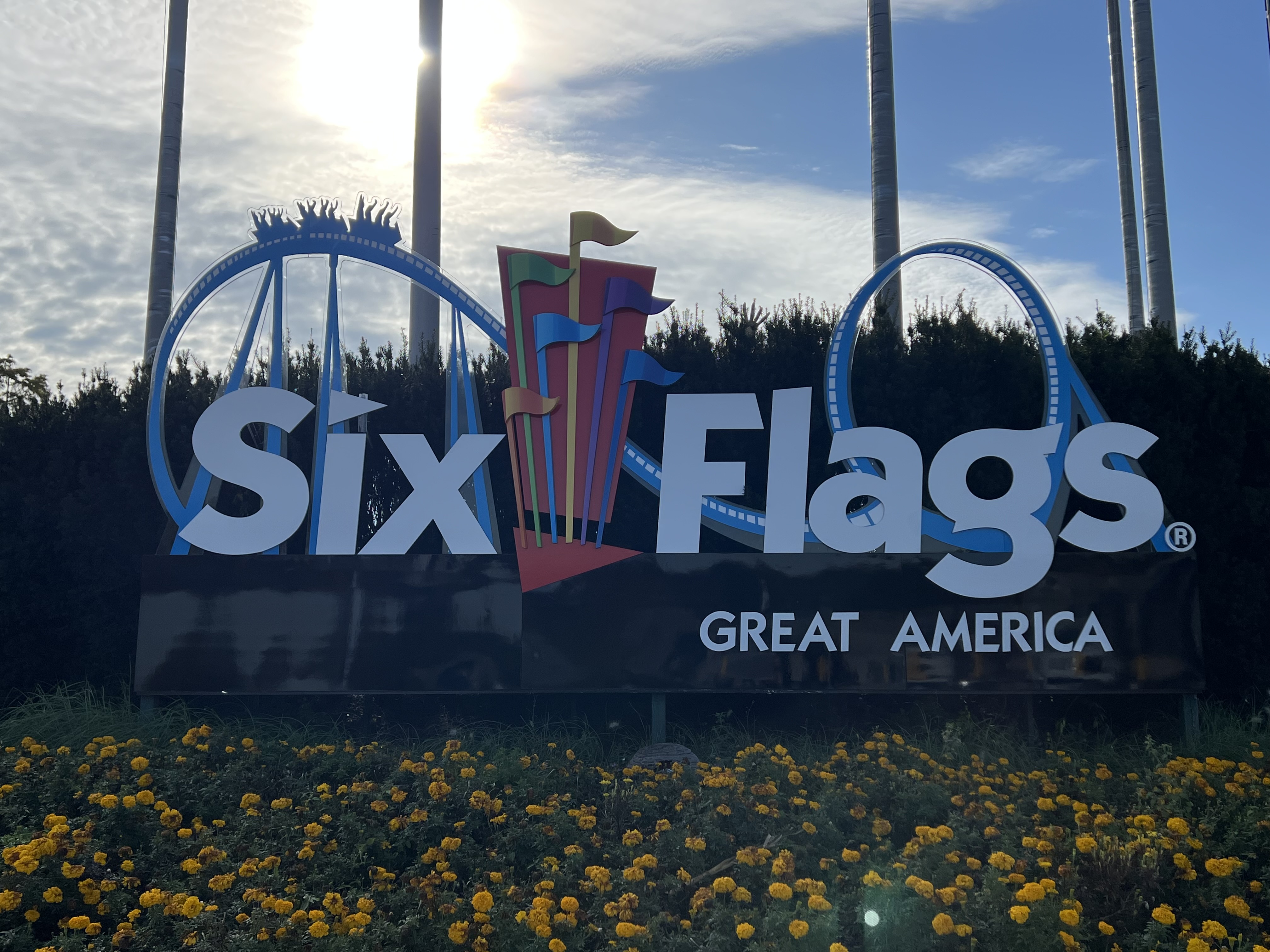
Six Flags Entertainment Corporation closed out 2025 with mixed results, posting $3.10 billion in full-year revenue while grappling with lower attendance, higher operating costs and a significant non-cash impairment charge tied to goodwill and other intangible assets.
The company, which bills itself as the largest regional amusement park operator in North America, reported fourth-quarter net revenues of $650 million, down 5% from $687 million during the same period in 2024. Attendance for the quarter fell 13% to 9.3 million guests, a decline of roughly 1.4 million visits year over year.
However, the picture shifts when adjusting for fewer operating days. On a per-operating-day basis, fourth-quarter net revenues rose 7% compared with the prior year, even as attendance dipped 2% on the same basis.
Fewer Operating Days, Fewer Guests
During the fourth quarter of 2025, Six Flags operated 779 days across its parks, compared with 878 operating days in the fourth quarter of 2024. The reduction reflects 15 weather-related closure days, as well as 66 fewer operating days tied to the elimination of winter holiday events at four parks and normal calendar shifts.
The cancellation of those holiday events alone accounted for approximately 425,000 lost visits. A smaller active season pass base in 2025 also contributed to the attendance decline.
Despite the drop in guest counts, spending per visitor climbed meaningfully. Per capita spending reached $66.41 in the fourth quarter, up 8% from $61.60 in the same period last year. Admissions per capita spending rose 5% to $35.32, while in-park spending on food, beverages, merchandise and extra-charge attractions jumped 11% to $31.10.
The company credited pricing and promotional changes, as well as investments in expanded food and beverage offerings and premium add-ons such as Fast Lane and Flash Pass, for driving higher guest spending.
Out-of-park revenues also rose 8% to $51 million, primarily due to increased sponsorship revenue.
Losses Narrow in the Fourth Quarter
Six Flags reported a net loss of $92 million for the fourth quarter of 2025, or $0.91 per diluted share. That compares with a $264 million loss, or $2.76 per diluted share, in the fourth quarter of 2024.
Operating loss for the quarter totaled $25 million, versus operating income of $51 million in the prior-year period. Adjusted EBITDA came in at $165 million, down from $209 million a year earlier, reflecting the attendance decline and higher selling, general and administrative expenses.
Operating costs and expenses increased by $11 million year over year to $534 million. Seasonal labor and operating supply costs declined, but wage-related expenses, equity compensation, severance and technology investments drove higher SG&A costs.
Depreciation and amortization expenses rose to $121 million, up $15 million from the fourth quarter of 2024, partly due to purchase price adjustments and changes in depreciation methodology tied to legacy assets.
Net interest expense increased to $89 million, driven by additional borrowings and interest accretion related to a call option liability.
Full-Year Results Impacted by $1.5 Billion Impairment
For the full year, Six Flags reported 47.4 million guests and per capita spending of $61.90. Adjusted EBITDA totaled $792 million.
The company posted a net loss of $1.60 billion for 2025, largely reflecting a $1.5 billion non-cash impairment charge related to goodwill and other intangible assets.
As of Dec. 31, 2025, total liquidity stood at $623 million, including cash and available borrowings under its revolving credit facility. Net debt totaled $5.11 billion, based on $5.20 billion in total debt offset by $91 million in cash and cash equivalents.
Deferred revenues reached $311 million, up slightly from $308 million at the end of 2024, primarily due to higher advance single-day ticket sales and increased group event deposits.
CEO Signals Continued Investment in 2026

President and CEO John Reilly acknowledged that 2025 results fell short of expectations but emphasized the groundwork laid over the past year.
According to Reilly, the company made significant investments in park infrastructure, added new attractions, upgraded technology systems and enhanced food and beverage offerings. He said Six Flags plans to continue investing heavily in 2026, with a focus on family-oriented attractions, food and beverage upgrades and record-breaking roller coasters.
At the same time, the company is refining its revenue management and marketing strategies and implementing clearer lines of accountability across the organization.
Reilly also highlighted a recent refinancing of 2027 notes in early January as a key step toward strengthening the balance sheet. He said the company intends to use its cash-generating capabilities and a disciplined capital allocation strategy to reduce debt and restore financial flexibility over time.
For theme park fans, the numbers tell a nuanced story. Fewer guests walked through the gates in 2025, but those who did spent more — especially on food, beverages and premium experiences. As Six Flags heads into 2026 with new attractions and operational changes on the horizon, the company is betting that stronger execution and targeted investments can translate into renewed, sustainable growth.
Find and follow me on Facebook, X, Instagram, and YouTube for more coverage of theme parks, travel, and roadside attractions. Subscribe to Theme Parks By Don – It’s free!

Leave a Reply